
Food Safety: Emerging Trends, Compliance, and Solutions in the Philippines
In an era where supply chains stretch across the globe and climate volatility impacts agricultural yields, the importance of food safety has never been more critical. Gone are the days when preventing foodborne illness simply meant keeping a clean kitchen. Today, ensuring the integrity of our food involves a complex web of advanced technology, rigorous legislative compliance, and highly trained personnel.
Whether you are a consumer navigating grocery aisles, a restaurant owner, or a food manufacturer, understanding the evolving landscape of food safety is essential. This guide breaks down the defining trends , the regulatory environment in the Philippines, and how industry leaders like LeadSmart PH are bridging the skills gap.
Why Food Safety is Non-Negotiable
At its core, food safety refers to the routines in the preparation, handling, and storage of food meant to prevent foodborne illness and injury. A lapse in these protocols can lead to devastating consequences, ranging from severe health crises to catastrophic brand damage and legal repercussions.
Beyond public health, it is a pillar of economic stability. When consumers trust the food supply, businesses thrive. Conversely, an outbreak or a product recall can bankrupt an enterprise overnight. In 2026, operational strategies have shifted from reactive problem-solving to proactive, data-driven management.
Top 4 Global Food Safety Trends
The industry is currently undergoing rapid digital and environmental adaptation. Here is what is shaping the future of food safety:
1. Artificial Intelligence (AI) and Predictive Analytics
AI has become the digital brain of compliance. Companies are deploying smart software to scan legislative updates, monitor global supply chains, and even analyze consumer reviews to pinpoint potential outbreaks before they spread. AI helps shift the industry from reacting to contamination to predicting and preventing it.
2. Digital Product Passports
Traceability is no longer just an internal tracking metric; it is about total consumer transparency. In 2026, we are seeing a surge in Digital Product Passports. Through simple QR codes, consumers and retailers can instantly access a product’s complete history, including origin, allergens, and environmental impact data.
3. Climate Change and Pathogen Risks
Extreme weather patterns are fundamentally altering agricultural risk profiles. Regions previously considered safe are now becoming breeding grounds for new pathogens and mycotoxins (mold risks). Testing frequencies are increasing, and suppliers are having to diversify to mitigate the risk of harvest failures.
4. Strict Scrutiny on Food Contact Articles (FCA)
Regulatory agencies globally are cracking down on chemicals in food packaging, such as PFAS (forever chemicals). Regulatory agencies globally are cracking down on chemicals in food packaging, such as PFAS (forever chemicals). Aligning with these strict international standards, the Philippine Food and Drug Administration (FDA) has actively pursued guidelines on the regulatory compliance of Food Contact Articles—ensuring that materials like plastics, ceramics, and active packaging do not leach harmful constituents into prepackaged foods.
Navigating Compliance in the Philippines
In the Philippines, the foundation of public health protection in the food sector is the Food Safety Act of 2013 (Republic Act No. 10611). This law mandates a “farm-to-fork” regulatory system designed to protect consumers from unsanitary, adulterated, or misbranded food.
Recent developments in 2026 show a heightened focus on regional food security within ASEAN and stricter enforcement by Local Government Units (LGUs). Cities like Pasig and Makati have been at the forefront of implementing clear guidelines for Food Safety Compliance Officers (FSCO). For businesses, compliance is no longer just about passing an annual inspection; it requires continuous, documented adherence to both national laws and local ordinances.
Empowering Your Workforce with LeadSmart PH
Understanding regulations is one thing; implementing them on the ground is another. In a country composed of over 7,000 islands, delivering standardized education to food handlers can be a logistical challenge. This is where LeadSmart PH steps in as a game-changer.
Based in Quezon City, LeadSmart PH is a premier provider of food safety training and consulting services. They are dedicated to building a culture of compliance across the nation by offering top-tier, accredited programs at competitive prices.
Key Offerings from LeadSmart PH:
- ServSafe Certifications: Globally recognized training for Food Handlers and Food Protection Managers.
- FSCO Training: Specialized Food Safety Compliance Officer programs, including those tailored for the Bureau of Plant Industry (BPI) and Food Service Industry.
- HACCP & GMP: Comprehensive courses on Hazard Analysis and Critical Control Points, and Good Manufacturing Practices.
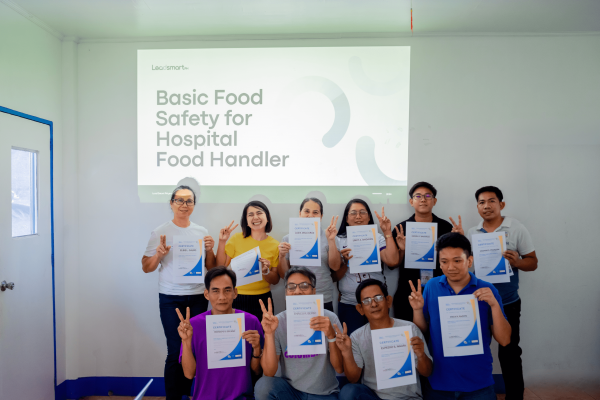
- Flexible Learning: They offer a hybrid approach, combining engaging online learning modules with face-to-face training, making world-class education accessible from Baguio to Davao.
By investing in training through accredited providers like LeadSmart PH, businesses can mitigate risks, achieve operational excellence, and confidently meet the strict standards required in today’s market.
The 4 Pillars of Everyday Food Safety
While technology and legislation are evolving, the day-to-day foundational rules remain universally applicable. Every food handler must master the four C’s:
- Cleaning: Proper handwashing and sanitizing of all surfaces and equipment.
- Cross-Contamination Prevention: Keeping raw meats entirely separate from ready-to-eat foods, utilizing distinct cutting boards and utensils.
- Cooking: Using food thermometers to ensure meats are cooked to their safe internal temperatures, effectively killing harmful bacteria.
- Chilling: Rapidly refrigerating perishable foods to prevent the growth of pathogens in the “Danger Zone” (between 40°F and 140°F or 4°C and 60°C).
Conclusion
As we move deeper , food safety demands total transparency, technological integration, and continuous education. The era of merely reacting to regulations is over. By understanding emerging trends, adhering strictly to the Food Safety Act, and partnering with industry experts like LeadSmart PH to train your staff, you can protect your consumers and future-proof your business against the challenges of tomorrow.

You may also like