How to Get Your Food Hygiene Certificate in the Philippines
In the fast-paced Philippine food industry, ensuring the safety of your customers is non-negotiable. Whether you are running a bustling carinderia in Metro Manila, managing a 30-square-meter Spanish-era speakeasy, or operating a large-scale commercial kitchen, maintaining strict hygiene standards is the foundation of your success.
In Addition, Securing a food hygiene certificate is not just a regulatory hurdle—it is a tangible proof of your commitment to public health, quality, and legal compliance. Here is everything you need to know about getting certified and why it matters for your food business.
Why a Food Hygiene Certificate is Mandatory
A food hygiene certificate (often required as part of securing a sanitary permit) validates that a food handler or manager has been trained in the essential principles of safe food preparation.
1. Legal Compliance and Mandates
Additionally, Operating without properly certified staff exposes your business to fines, forced closures, and legal liabilities. In the Philippines, local government units (LGUs) and national agencies strictly enforce food safety. A certified workforce ensures you are fully aligned with the Food Safety Act of 2013.
2. Protecting Your Brand’s Reputation
A single outbreak of foodborne illness can permanently ruin a restaurant’s reputation. Training your staff to understand the “whys” behind the rules—not just the rules themselves—builds a proactive culture of safety that customers can trust.
Core Skills Covered in Certification Training
When you or your staff undergo training for a food hygiene certificate, the curriculum goes far beyond basic handwashing. Accredited programs focus on the critical failure points in a kitchen:
- Preventing Cross-Contamination: Learning the strict separation of raw meats and ready-to-eat foods, color-coded cutting boards, and proper sanitation of food-contact surfaces.
- Time and Temperature Control (TCS): Understanding the “Danger Zone” (41°F to 135°F or 5°C to 57°C) where bacteria multiply rapidly, and mastering proper holding and cooling temperatures.
- Proper Thawing Methods: Eliminating dangerous practices (like leaving meat on the counter) and utilizing safe methods such as refrigerator thawing, cold water submersion, or microwave thawing followed by immediate cooking.
- Allergen Standards: Identifying the major food allergens and implementing strict protocols to prevent cross-contact during food preparation and service.
Pro Tip for Kitchen Layouts: If you are operating in a compact space, vertical refrigerator organization is critical. Always store ready-to-eat foods on the top shelves and raw meats on the bottom shelves according to their required minimum internal cooking temperatures.
How to Choose the Right Training Provider
Training programs vary in quality. To ensure local health offices recognize your food hygiene certificate and it provides genuine value, look for a provider that offers:
- LGU and National Accreditation: Ensure the program meets the standards of the Department of Agriculture, FDA, and your specific local health department.
- Comprehensive Curriculum: The course should cover both the Food Safety Act of 2013 and the Philippine Code of Sanitation.
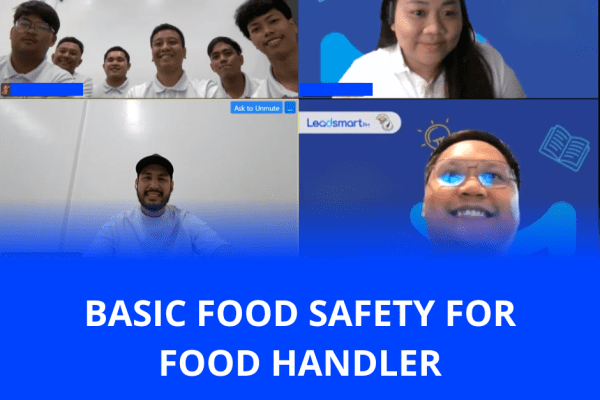
- Flexible Learning: Look for hybrid or online options that allow your staff to learn at their own pace without severely disrupting your operational schedule.
Furthermore, Whether you need a basic Food Handlers Certificate or an advanced Food Safety Compliance Officer (FSCO) , investing in high-quality, accredited training is the most cost-effective insurance policy for your business.
lastly, to ensure your kitchen is audit-ready, your customers are safe, and your permits are secured by prioritizing your food hygiene certification today.